









Brand New



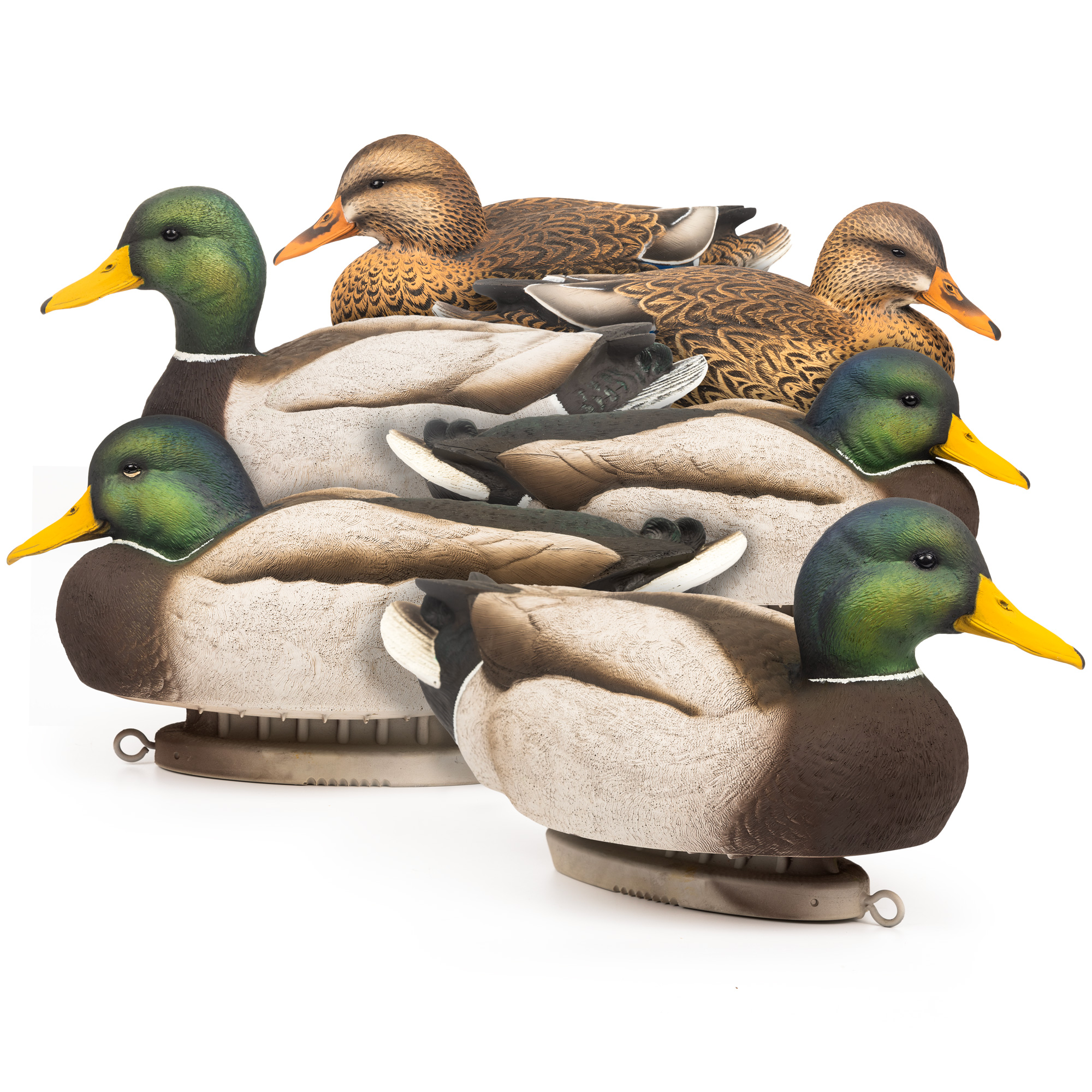
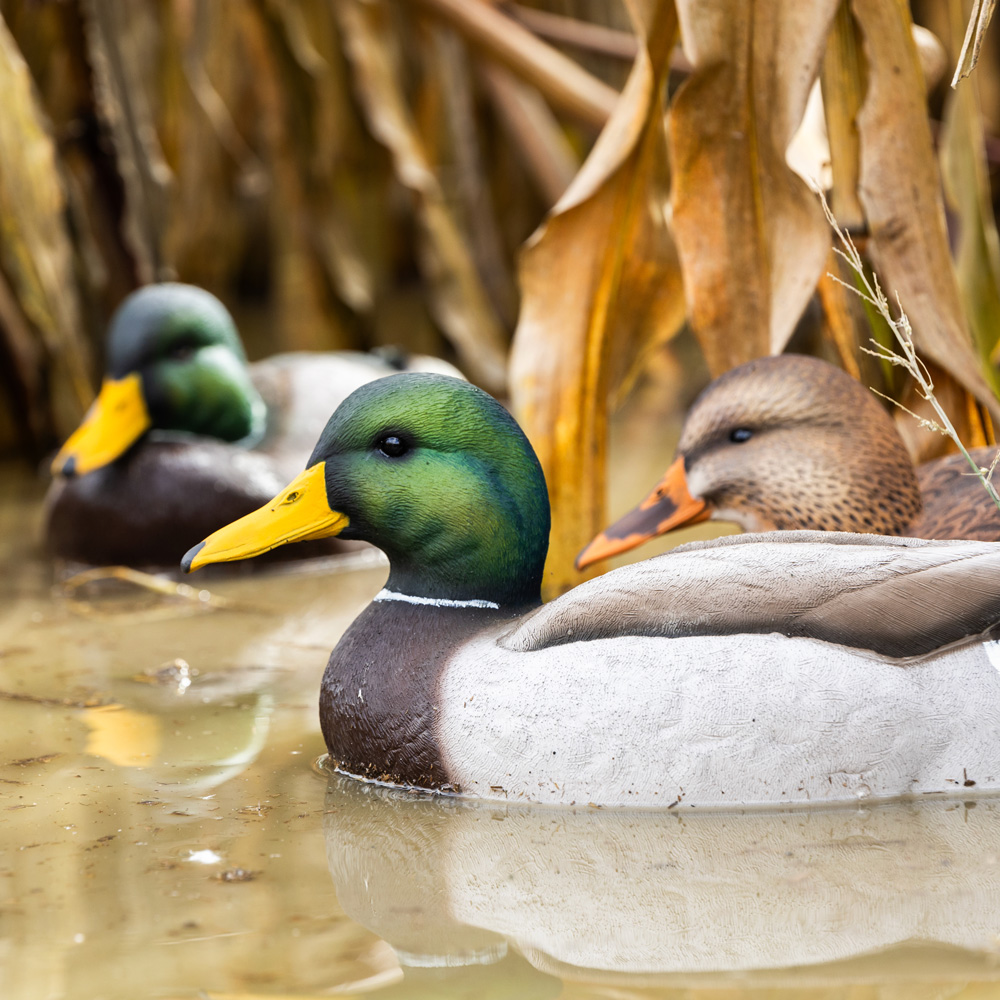


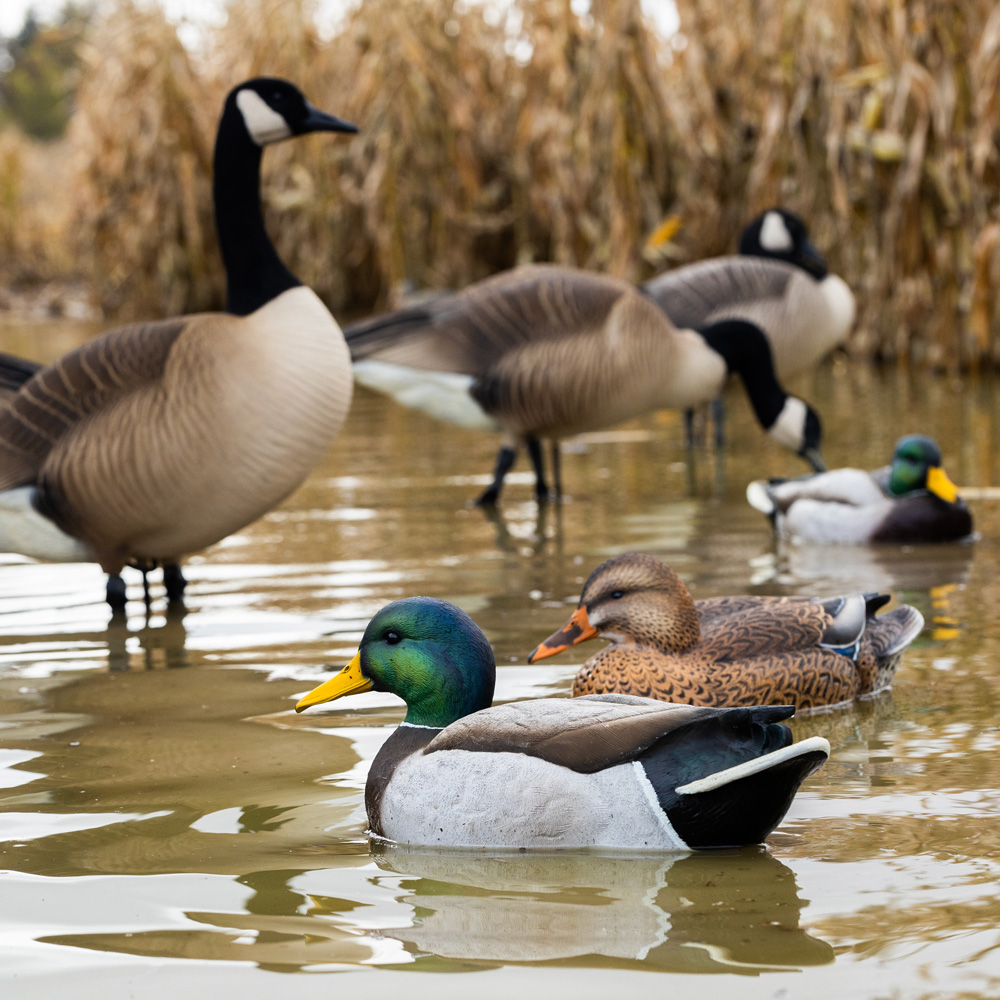






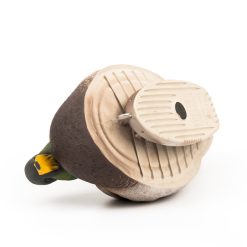
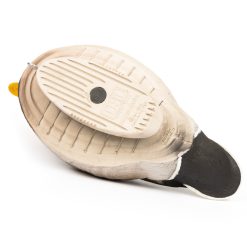
A.C.E. Mallards | Floater 6-Pack
$399.99
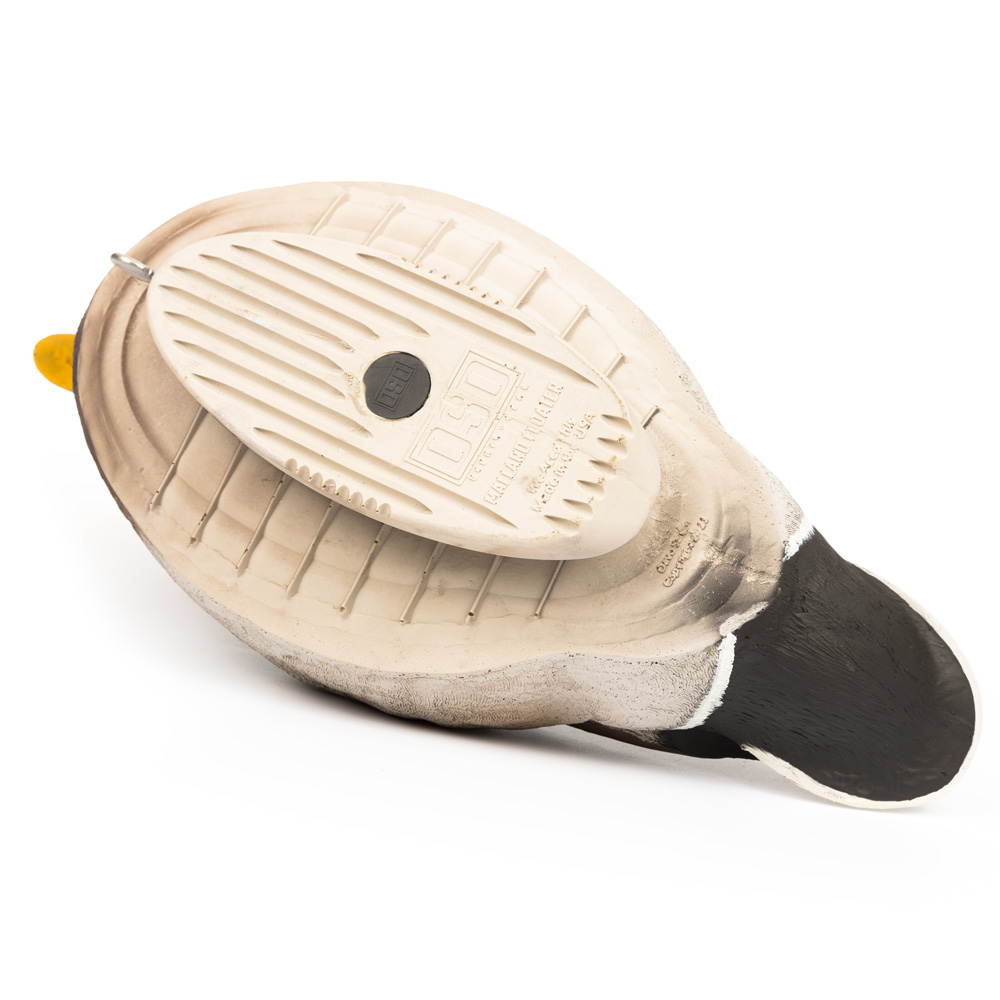
• One-Piece Decoy
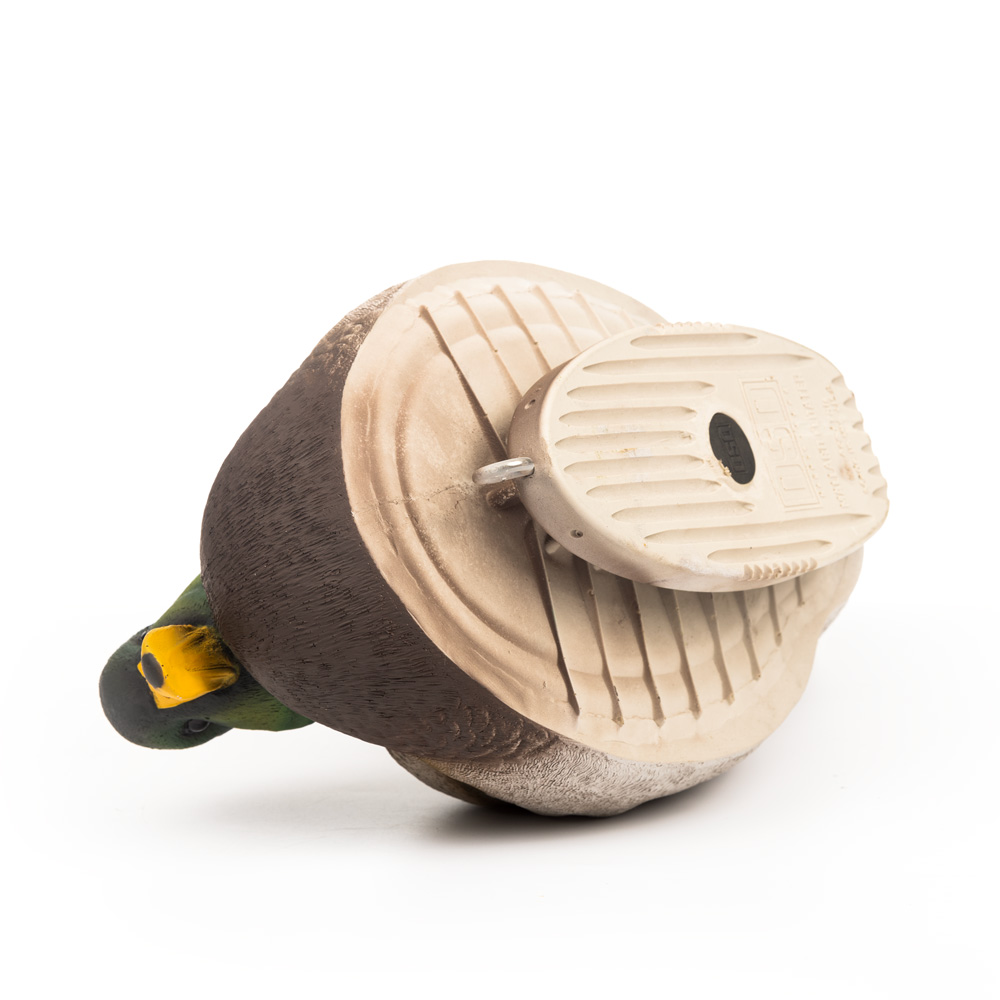
• Innovative Keel Design
• Ultra-Realistic Paint and Finish
Made in the USA
Financing Available Learn More
Made with A.C.E 2.0 Learn More

Hands-down, the most durable and user-friendly decoy material ever created
A.C.E is flexible with perfect memory and unbelievably durable! It retains its properties in extreme temps and holds paint ridiculously well! At DSD we are literally the only company in the world using A.C.E. Technology!
• Maintains it’s shape, even in cold temperatures.
• Self-healing material can be shot with minimal damage.
• Soft material is quiet when walking through woods.
• Casts in very fine detail.
Be Notified When This is Back in Stock



A.C.E. Mallard Decoy Line
Product Details
An American icon, the Mallard.
This ubiquitous duck is the most common and widespread of all of the Northern Hemisphere’s waterfowl. These big ducks are incredibly strong fliers, cooking through the skies at 55mph on whistling wings. As voracious eaters, mallards are extremely adaptable. In the South, leaving in the dark to feed in rice fields and heading back to roost in flooded timber in the late morning. Hammering waste grain, like corn, in the North. This high caloric diet lends them to being some of the finest table fare available in the wild.
This is America’s duck, with their bright green heads adorning duck straps from California to Maine. They make up the bulk of the national waterfowl harvest, every single year. The only species so popular, that many selective hunters are anointed with “Purist” following it’s name.
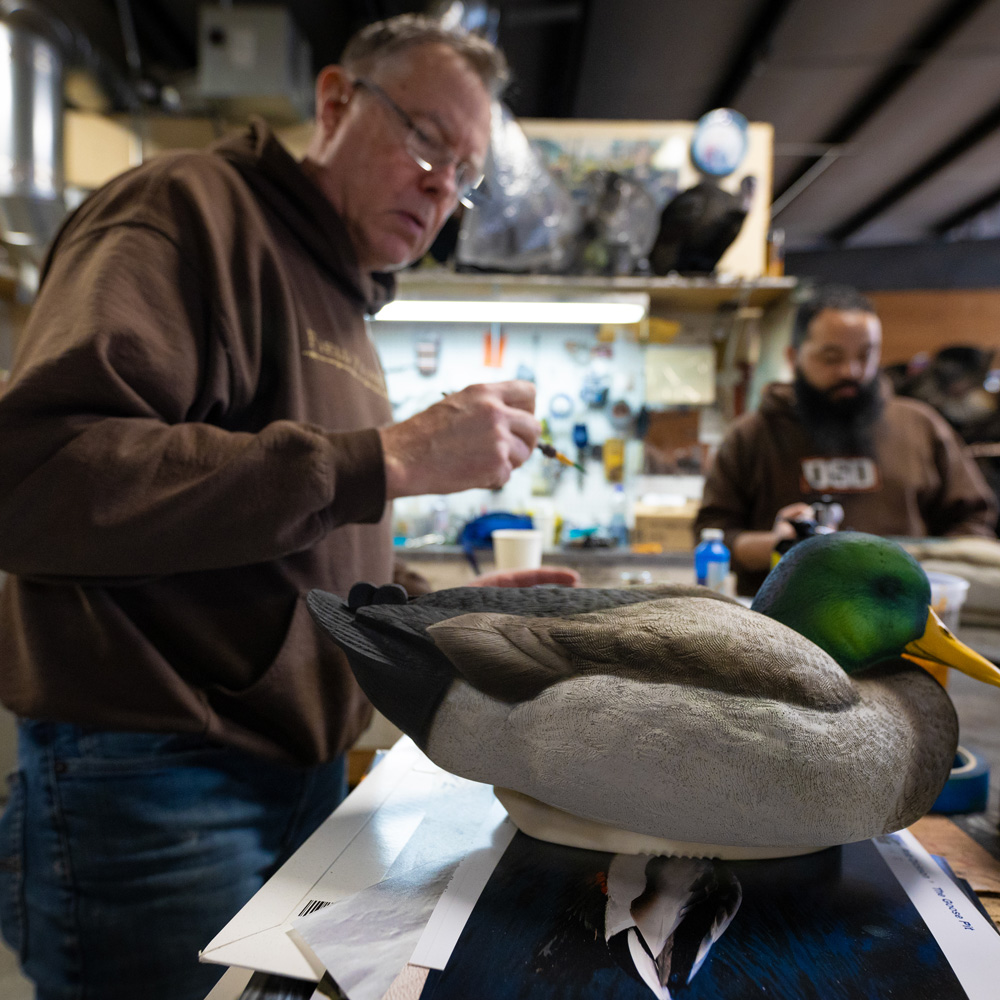
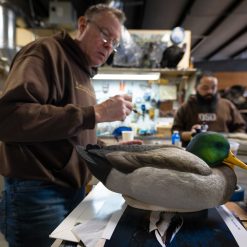
The DSD Mallard is officially here! For over ten years our most requested project has been a floating mallard decoy. A few seasons ago we all sat down and hammered out a game plan. A decoy with the soft feathery A.C.E. finish that has been so deadly on geese all these years. Dave’s immaculate attention to detail in each sculpture. The perfect color matched paint job to represent full plumage adult drakes and hens.
We spent years on this project, keeping it totally secret, while we tweaked sculptures, adjusted paint schedules and R&D’d what was the most effective iridescence in the field. We found ourselves with a Mallard decoy that floats and moved like an old school cork block. A dead flat paint job (minus their brilliant multi-layered green heads) and a completely game changing keel design, made right here in the USA. 
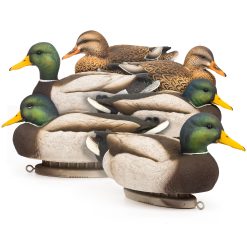
Includes: (2) Rester Drakes, (1) Mid Drake, (1) High Head Drake, & (2) Semi-Rester Hens
| Weight | 20 lbs |
|---|
1 review for A.C.E. Mallards | Floater 6-Pack
Add a review
You may also like…

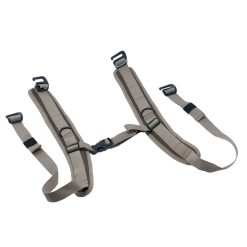
Related products
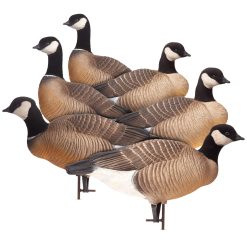
$415.95
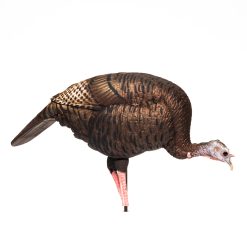
$154.95
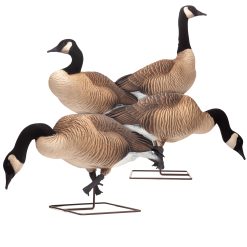
$429.95
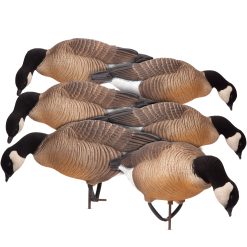
$415.95
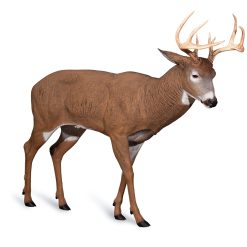
$649.99
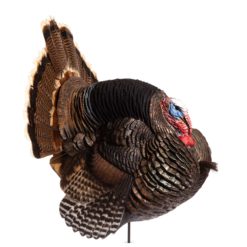
$239.95
$429.95
$489.95
 Large Canada Comparison
 Build Your Own Flock
 Flydown Pack System
Steven Cordes (verified owner) –
I bought six A.C.E decoys last spring … they are beautiful! I finally got to use them this fall. I purchased a six slot bag for them to make sure they were well taken care of. I hunt public land and need to remove the decoys at the end of each day. I took extreme care, from my perspective. The paint didn’t hold up the way I expected. The paint on the bill of one of the hens got scratched by something … I think that was my fault. The other hen is fine. The heads and chests of the drakes show wear above and beyond what I would have expected. There is discoloration of the green as if it was painted with several layers and one or two layers worn thin … this isn’t uniform all over the head … it’s patchy. I’m probably being a little picky as they still look good. I just wonder how long they will look good. They are also a little heavy to pack many in and out on a daily basis. Over all they look great and I like the flat keel and how they can be used as resting decoys on islands.